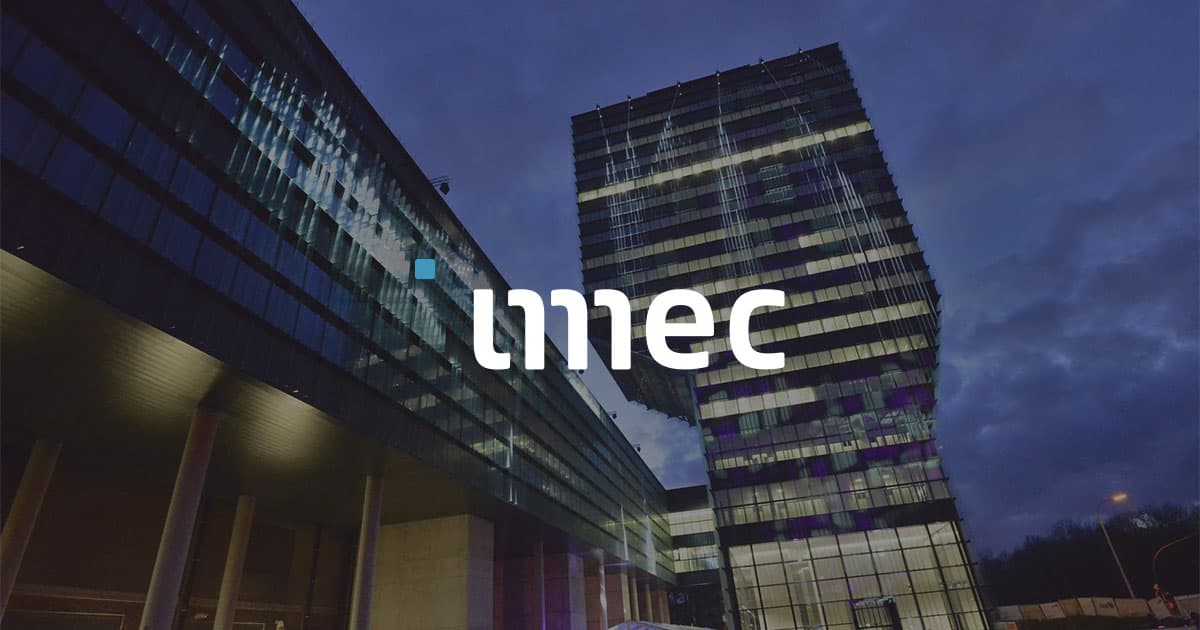
About the Organisation
Imec is described on its website as the world's largest independent research and innovation centre for nanoelectronics and digital technology. It is headquartered in Leuven, Belgium, and was founded in 1984. The Wikipedia entry describes it as an international research and development organisation, originally set up as a non-profit under the name Interuniversitair Micro-Electronica Centrum VZW.
Global Presence
The organisation states that it operates globally, with offices across Belgium, Europe, the USA, the UK and Asia. The site lists locations including:
- the Netherlands: OnePlanet Research Center and Holst Centre
- the UK: Cambridge, focused on chip design research
- Spain: a planned 300mm cleanroom in Málaga
- Germany: the Advanced Chip Design Accelerator in Heilbronn
- USA: sites in Florida, Indiana and Michigan
- Italy: a design team in Naples
Expertise and Research
Imec's website lists expertise in CMOS technology, integrated photonics, health technologies, sensing and actuation, and connectivity. It says it combines nanotech expertise with data and AI. Its research is carried out in 12,000 m² cleanrooms and labs.
Manufacturing, Venturing and the NanoIC Pilot Line
The organisation offers manufacturing support through IC-Link and says it creates and co-creates ventures. The NanoIC pilot line is described as a pivotal initiative of the EU Chips Act to reinforce Europe's leadership in semiconductor innovation.
Economic Impact in Flanders
An independent impact study, as cited by imec, finds that between 2014 and 2023 imec realised 6.98 billion euros in added value in Flanders, with a fiscal return of 3.9 billion euros. The site states that for every euro in grants it generates 11.7 euros in added value and fiscal return. It also reports more than 300 tech start-ups through its imec.istart accelerator, more than 120 spin-offs, and 13,400 jobs in the imec cluster.
Sustainability and Mission
Imec states that its mission is to create disruptive innovations that make a positive and lasting impact on society. It says that by making chips smaller, faster, more affordable and more sustainable, it addresses challenges such as climate change, pollution and accessible healthcare. Wikipedia notes its energy research, including the EnergyVille hub with KU Leuven, VITO and UHasselt.
Who It Serves and Its Purpose
In its own terms, imec aims to inspire and involve the entire microchip value chain and to develop technologies that contribute to a more sustainable future. Its website addresses businesses, governments, researchers, entrepreneurs and job seekers, offering research programmes, collaborations, venturing support and careers.